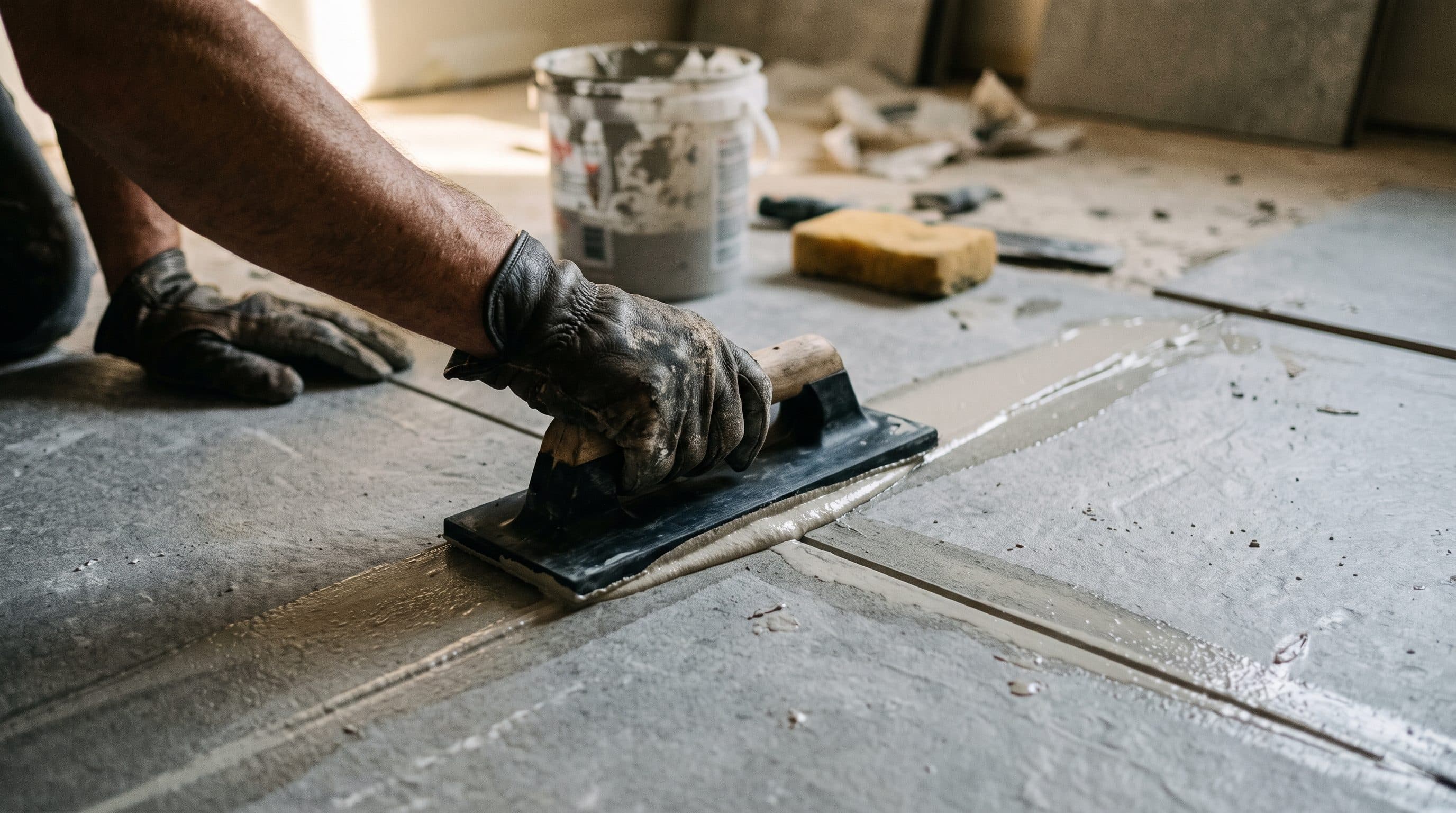
MaterialsAugust 3, 2026
How to Pick the Right Grout: Type, Width, and Finish
How to pick grout type: joint width decides sanded vs unsanded, then epoxy, cement, or urethane each win somewhere. A tile setter's spec guide for NJ.
9 minread →
No filler. No SEO fluff. Honest answers about tile, stone, installation, and what actually matters when you're investing in your home.
How to pick grout type: joint width decides sanded vs unsanded, then epoxy, cement, or urethane each win somewhere. A tile setter's spec guide for NJ.
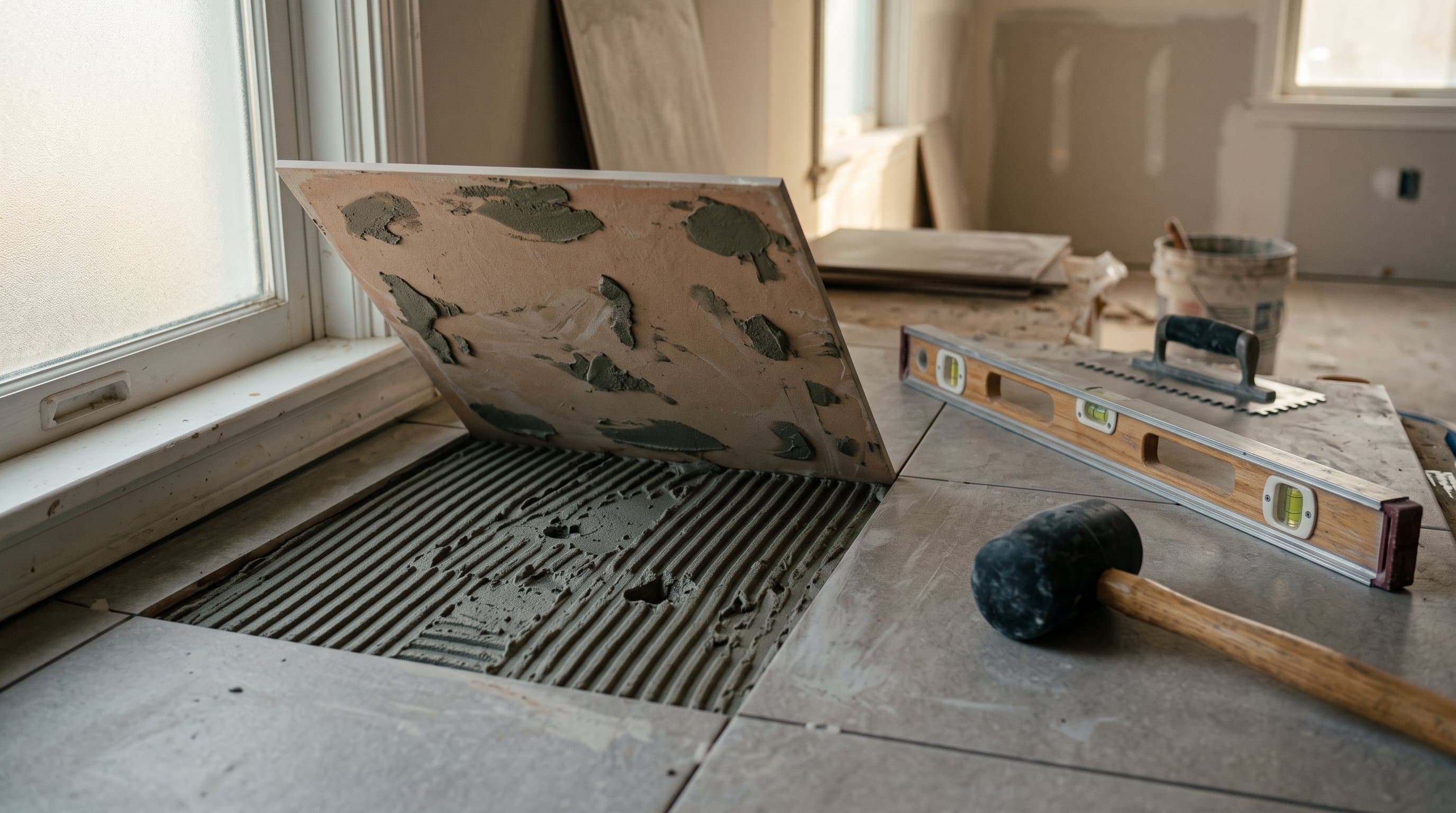
Hollow sounding tile can mean a bonding void, or a membrane doing its job. Here is how the tap test tells the difference, and when a NJ tile needs a fix.
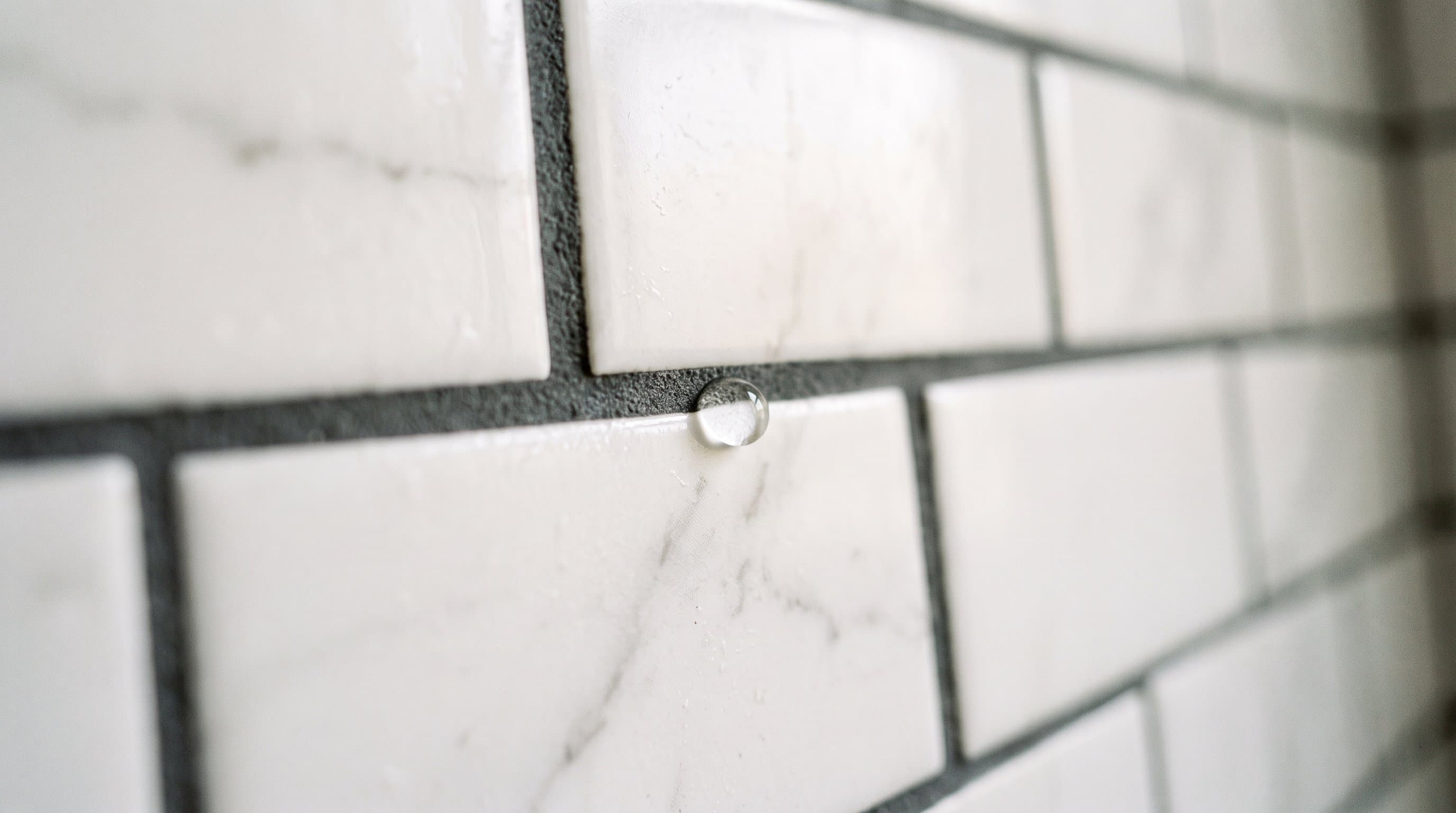
Epoxy grout vs cement grout for a shower: epoxy is waterproof, non-porous, and never needs sealing, for about $2 to $4 more per square foot.
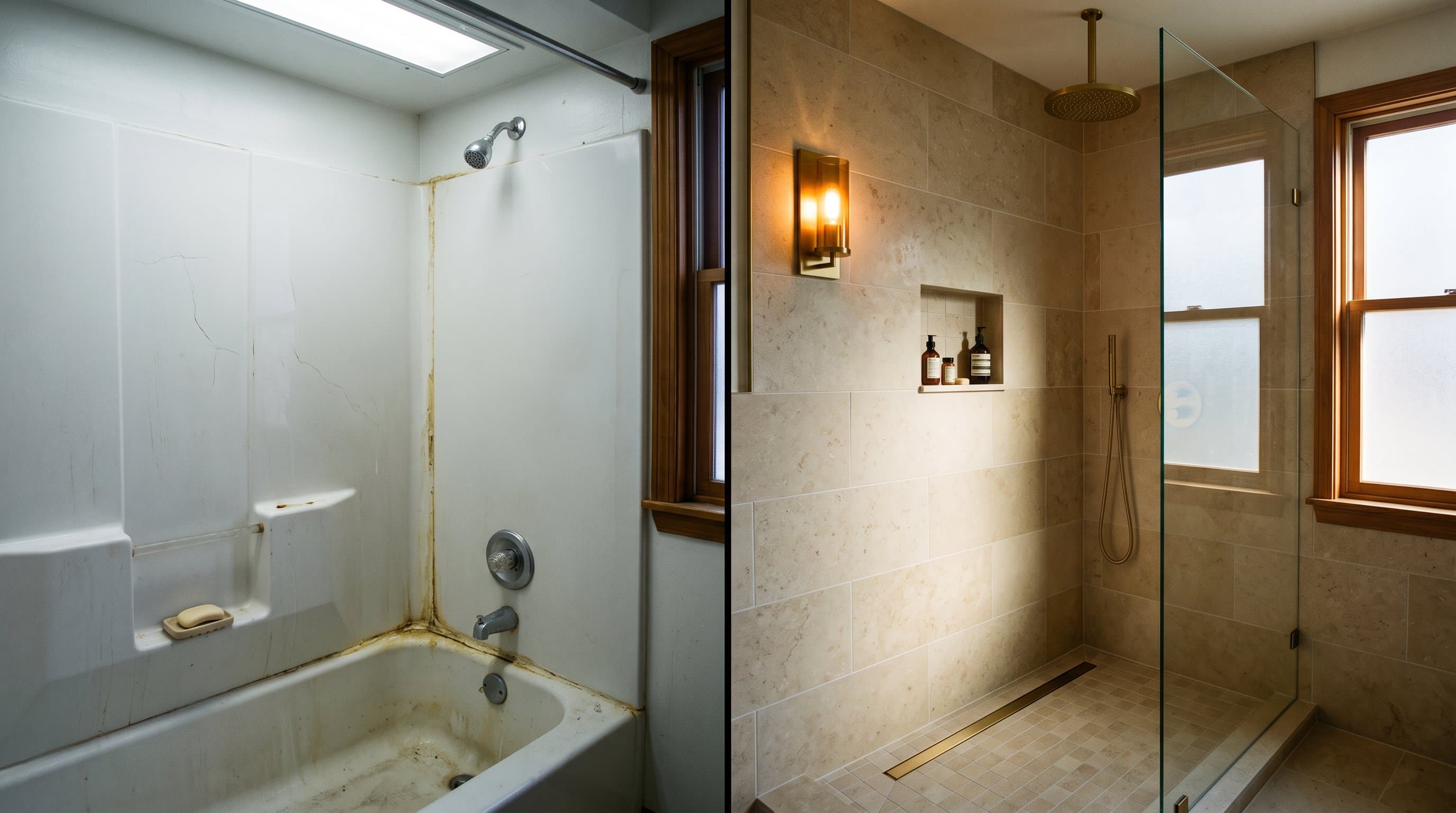
A tile shower runs $4,500 to $12,000 installed on a Jersey Shore bathroom in 2026. An acrylic surround runs $700 to $5,000. The gap looks huge until you put life expectancy next to each — 25 to 30 years for a properly built tile shower, 8 to 12 for the average acrylic wall kit at the coast. Updated July 2026.
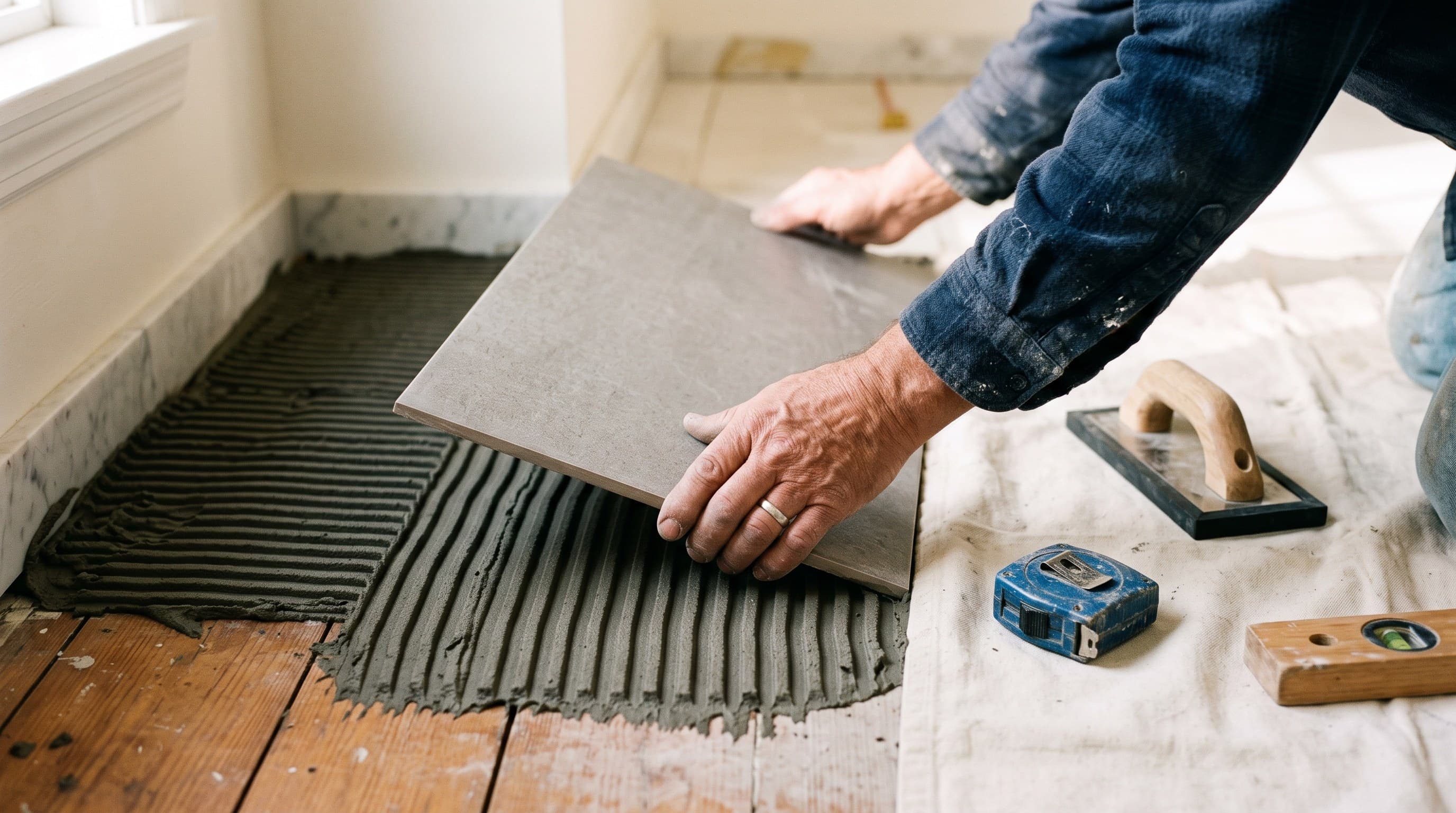
Tile installation in Monmouth and Ocean County runs $10 to $35 per square foot installed in 2026, with labor alone at $7 to $15. That spread is not random — it is pattern, prep, and waterproofing, in that order. Here is what the per-square-foot number actually covers, where the cheap quote saves $4 by skipping $40 of prep, and how to read a Jersey Shore tile quote like a pro.
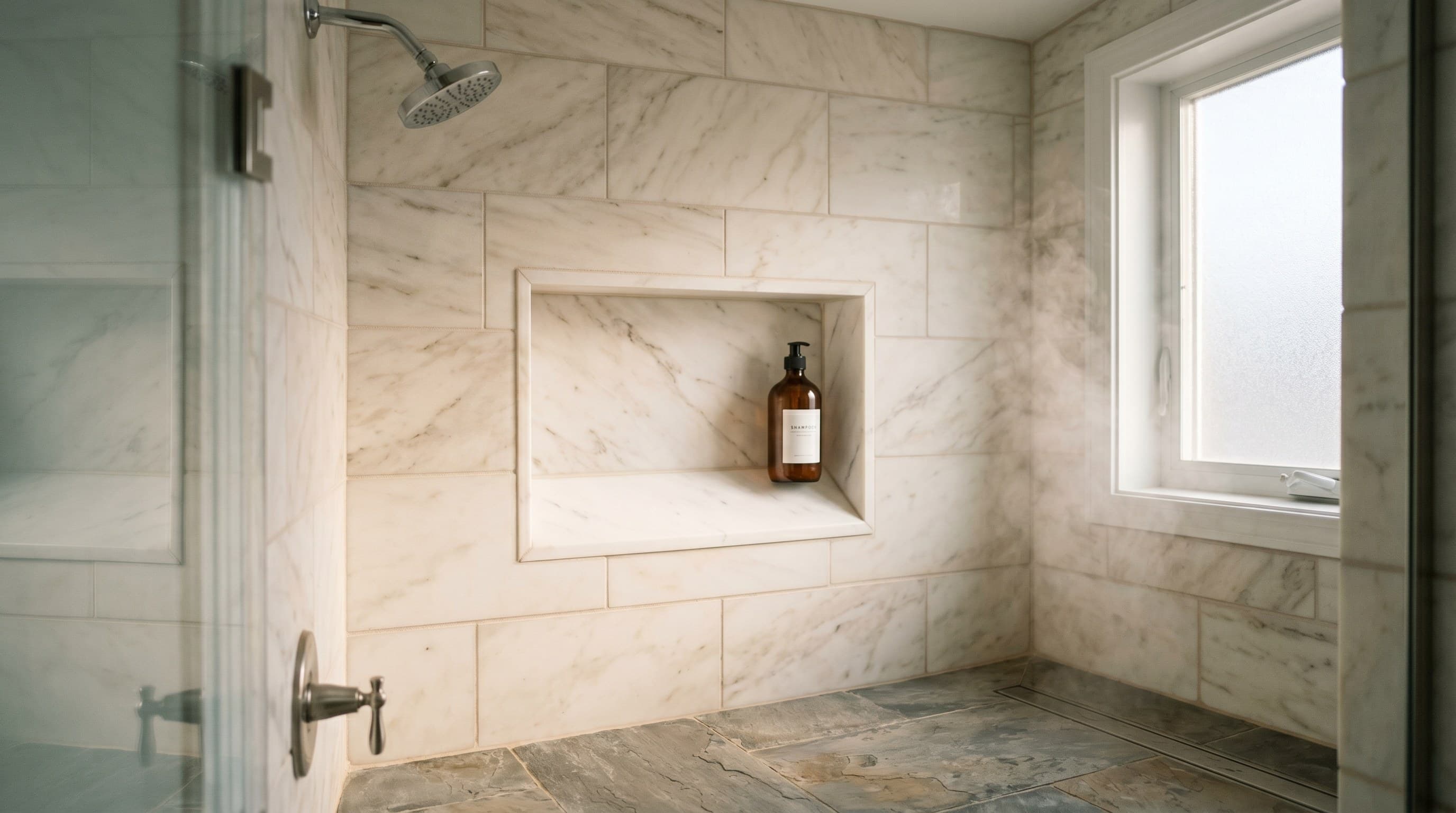
A built-in shower niche is the smallest detail in a Monmouth or Ocean County bathroom that causes the most expensive failures. The niche itself is straightforward. The waterproofing, the slope, the bench transition, and the framing around it are where shore bathrooms leak from, and where most installers cut the corners that turn into a tear-out by year three. Here is how a shower niche should actually be built at the shore, what size it should be, and the five mistakes we tear out every spring.
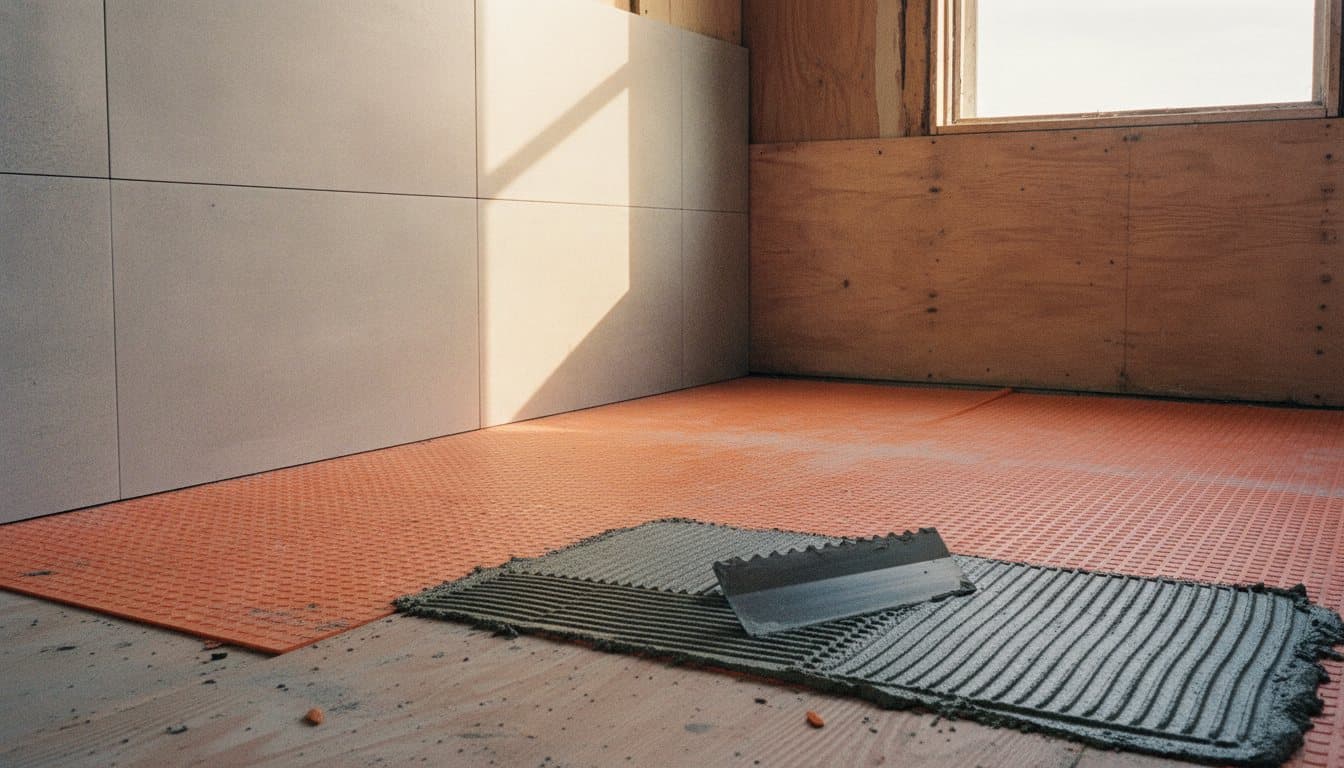
The most expensive tile failures in Monmouth and Ocean County bathrooms almost never start with the tile. They start with the layer underneath it: the wrong substrate, no uncoupling membrane, a bonding flange skipped at the curb, or thinset troweled over a flexing subfloor. Here is what actually goes under a shore bathroom floor, why it matters more at the coast, and the underlayment shortcuts that turn into a tear-out by year three.
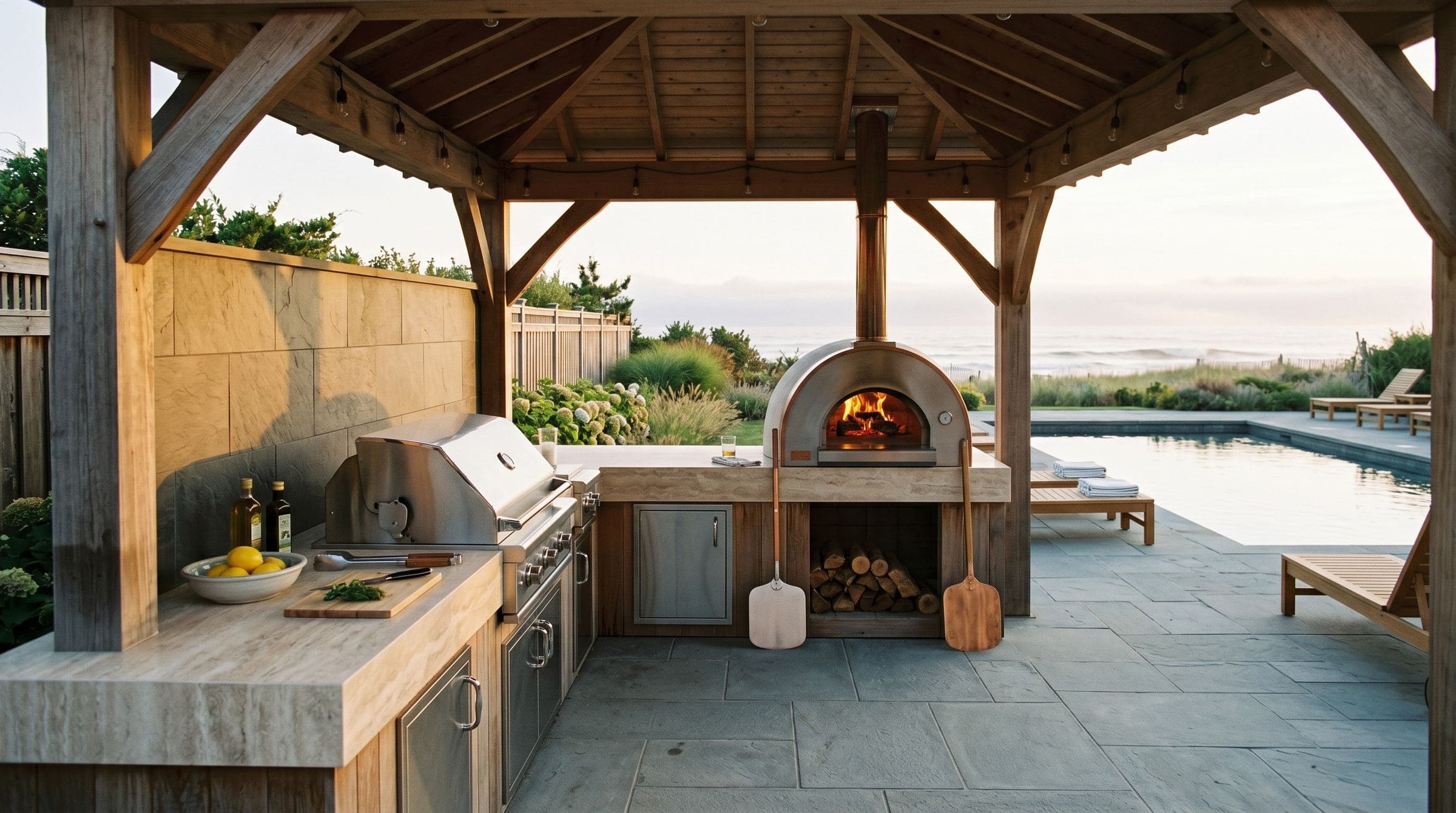
An outdoor kitchen at a Monmouth or Ocean County shore home lives a punishing life: salt air year-round, direct summer sun, rain that drives sideways, grease that lands hot, and the freeze-thaw cycle every January. Most outdoor kitchen tile and countertop choices that look great on a showroom slab fail by year two on the coast. Here is what actually holds up at the shore, and the mistakes that turn into a tear-out.
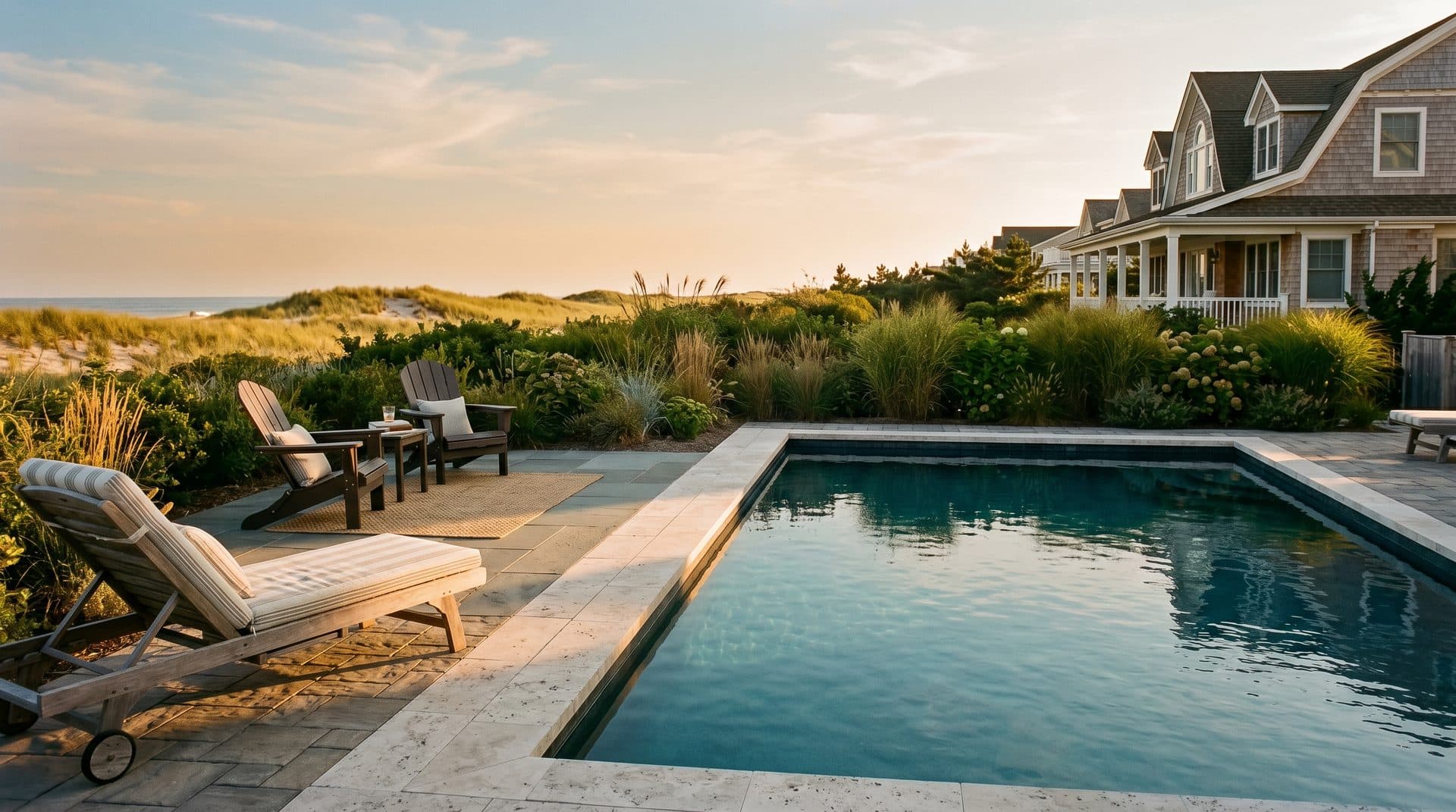
Pool deck tile and coping is one of the most punishing installations in residential tile. Sun, salt air, chlorine, and freeze-thaw all work against it. Get the tile selection or the install wrong and you have spalled coping and lifted deck pavers by year three. Here is what actually lasts on a Monmouth or Ocean County pool, and the mistakes that turn into a tear-out.
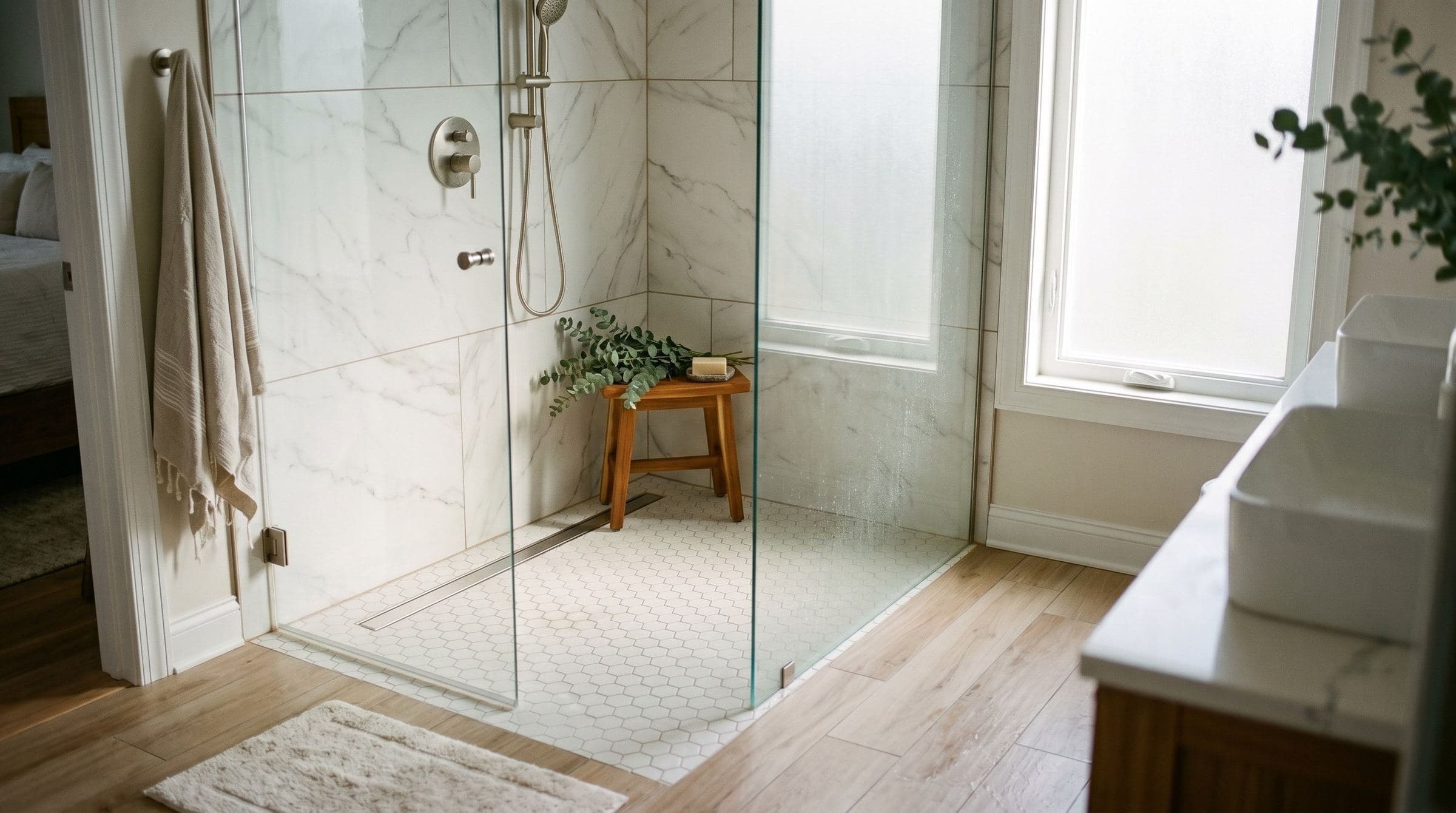
A curbless shower is the most requested upgrade on Monmouth and Ocean County primary baths right now, and the most commonly botched. The look only works if the slope, the drain, and the waterproofing are done before a single tile goes down. Here is what a real zero-threshold install takes and where the cheap ones fail.
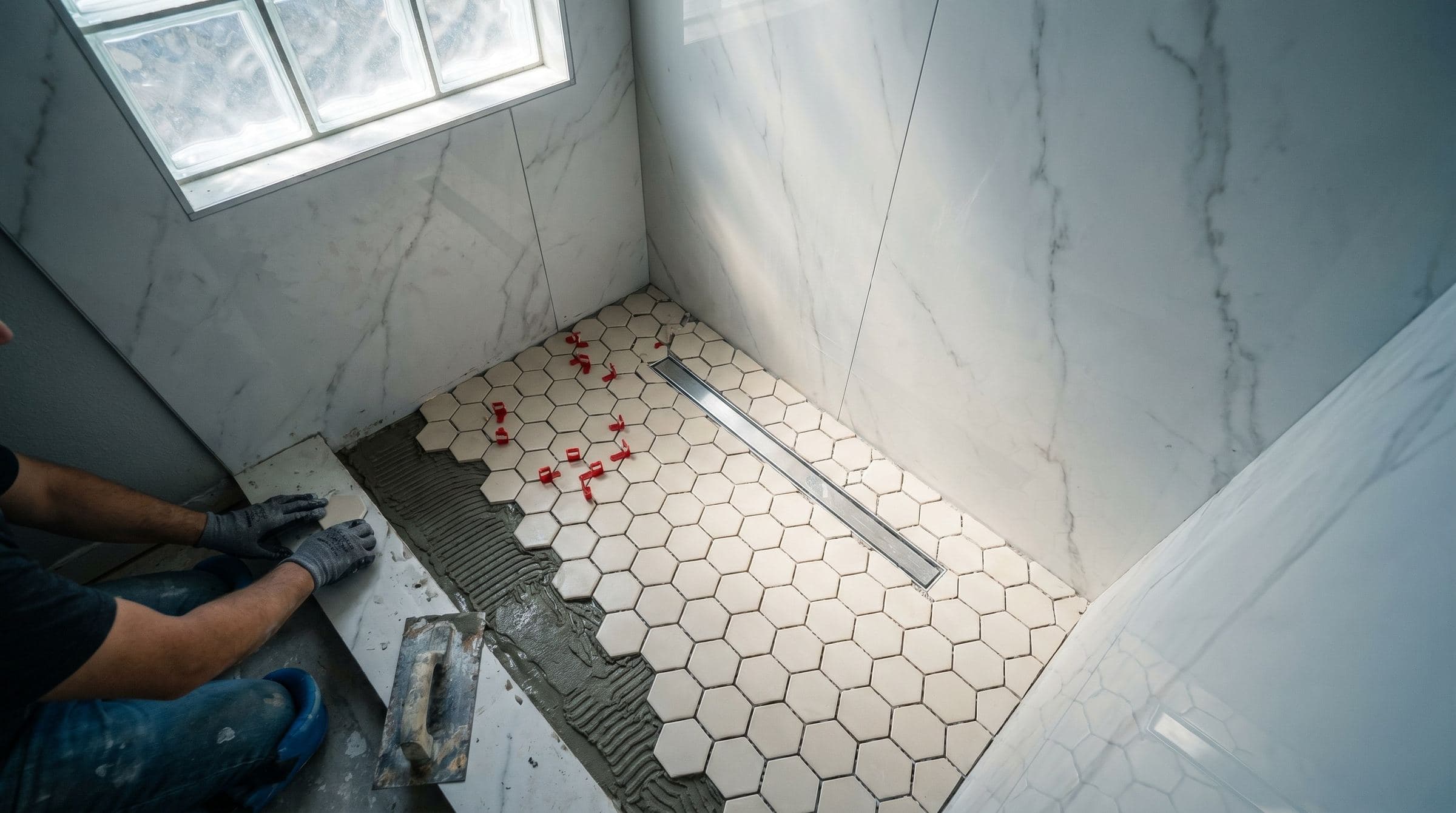
The same 24x48 porcelain that looks incredible on the wall is the worst possible choice for the shower floor. Here is what actually pitches to the drain, what handles wet bare feet, and the size rules we use on every shower install in Monmouth and Ocean County.
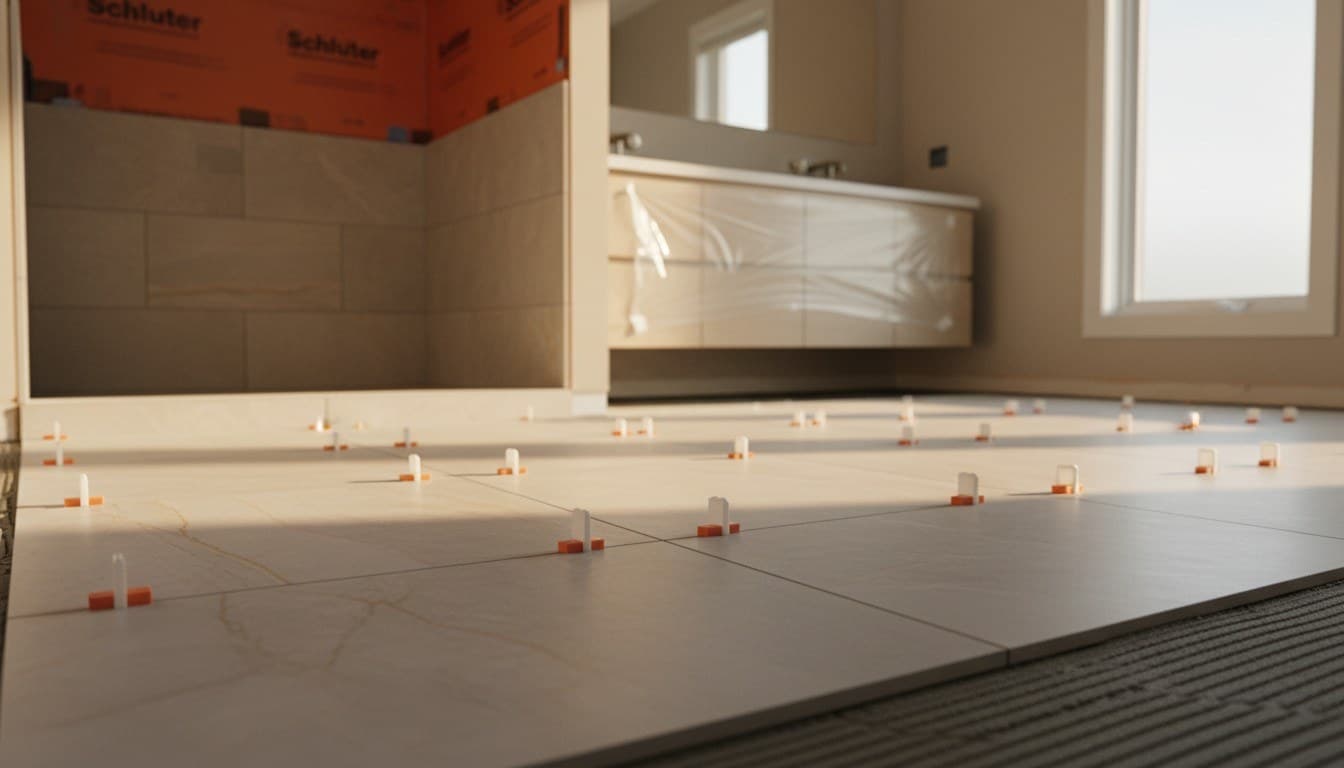
Large format tile looks effortless when it is done right and disastrous when it is not. Here is what 24x48 and slab tile installations actually require in Monmouth and Ocean County homes, and why most contractors skip the steps that matter.
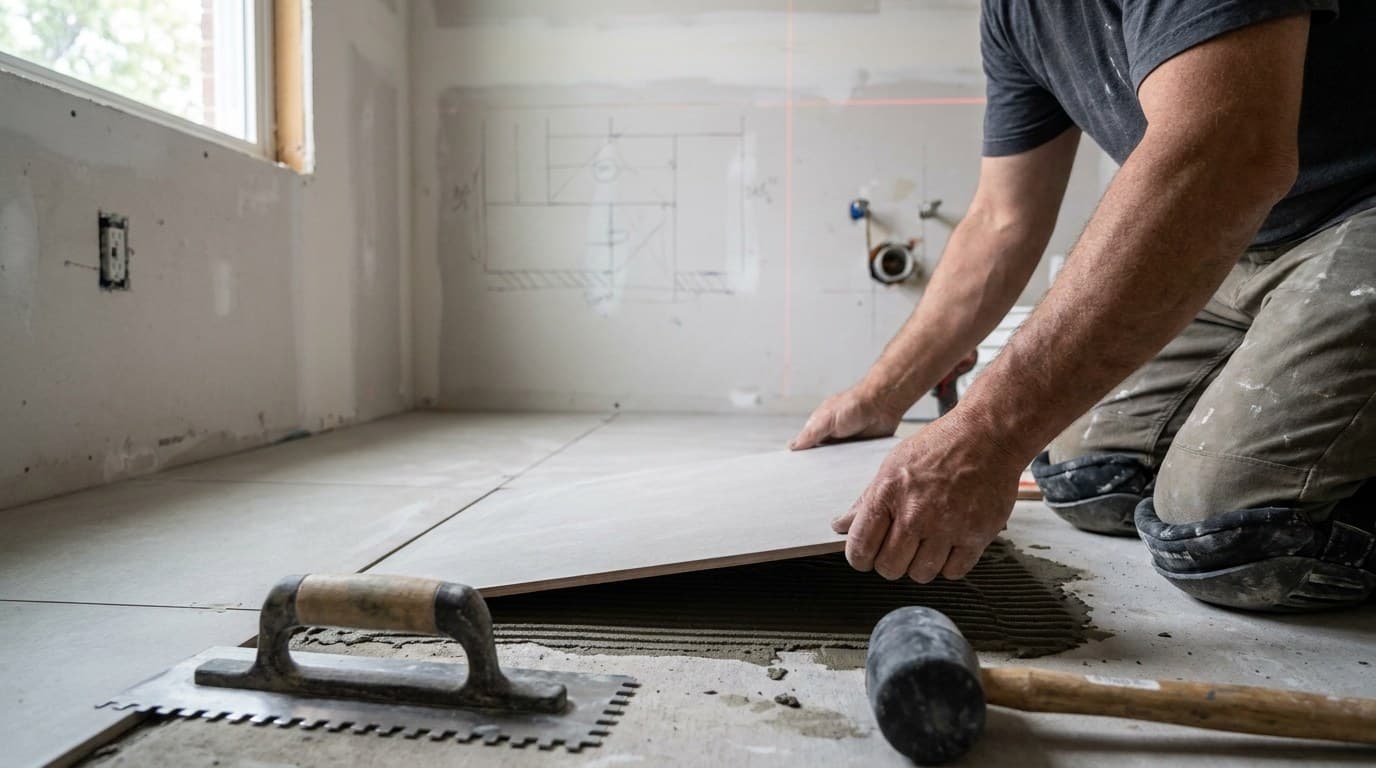
Most failed tile work in Monmouth and Ocean County is not a tile problem. It is an installer problem. Here is how to vet a tile contractor before you sign, what questions to ask, and the red flags to walk away from.
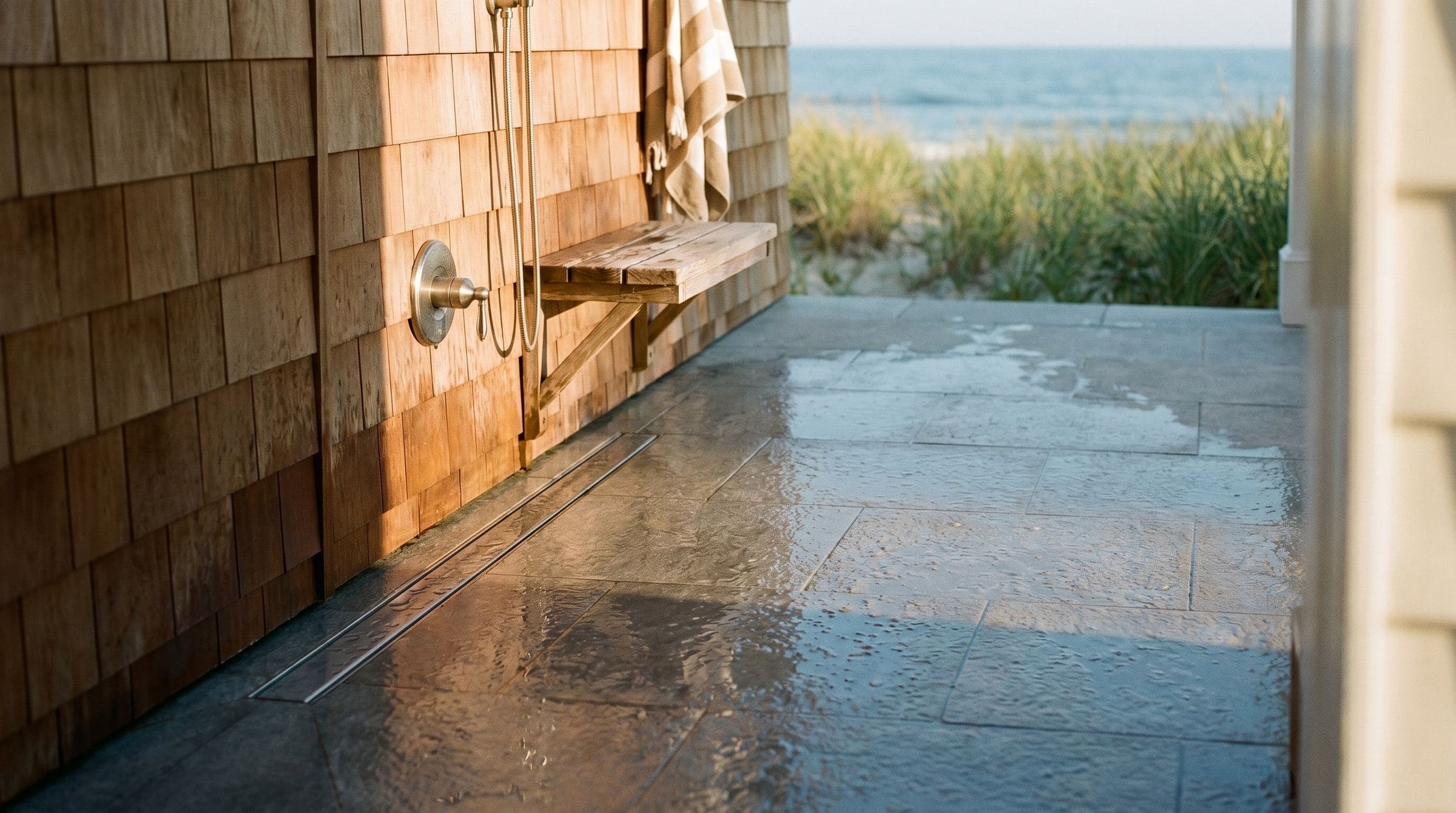
Outdoor showers get hammered along the shore. Sand, salt air, sunscreen, daily flooding, and freeze-thaw all attack the wrong tile inside two seasons. Here is what survives and how to set it up right.
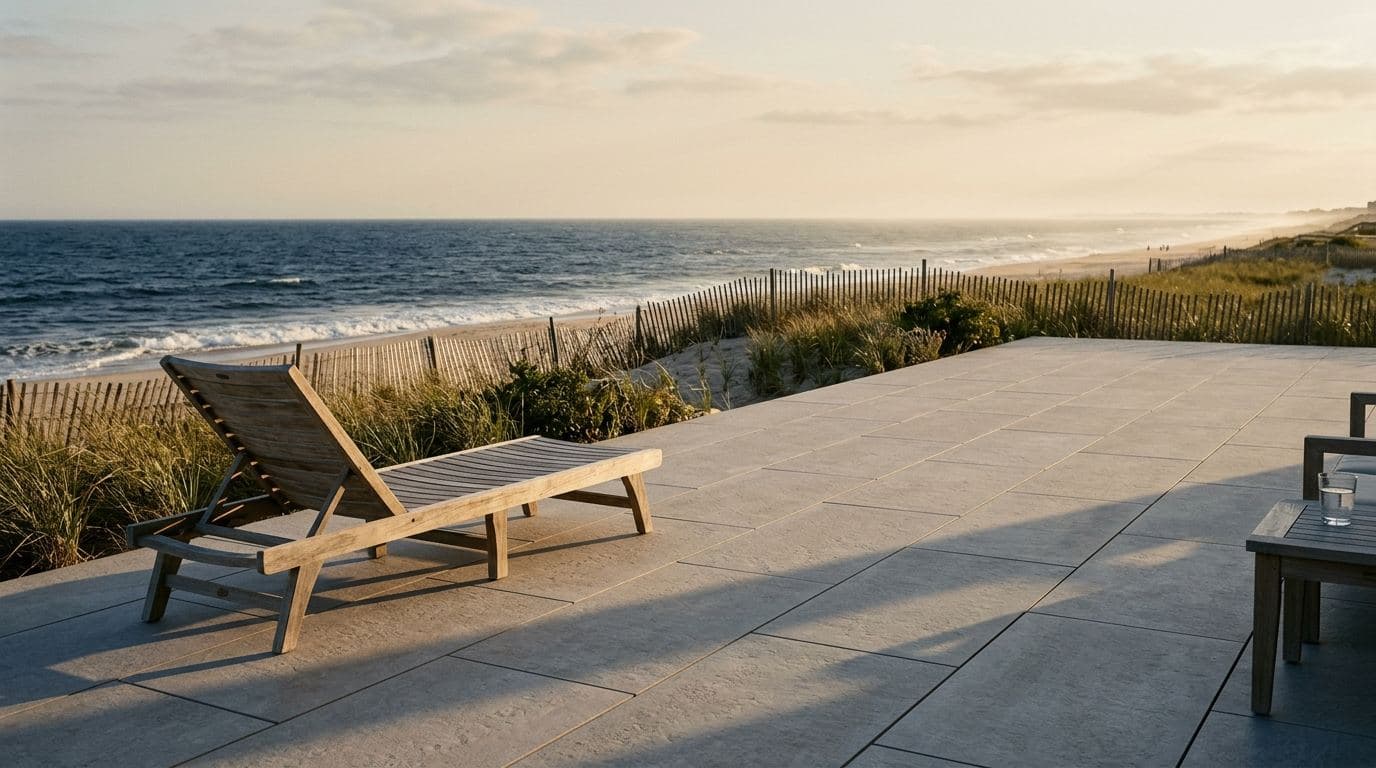
Patio season is here. If you live within ten miles of the Jersey Shore, most outdoor tile fails inside three years from salt air alone. Here is what survives and why.
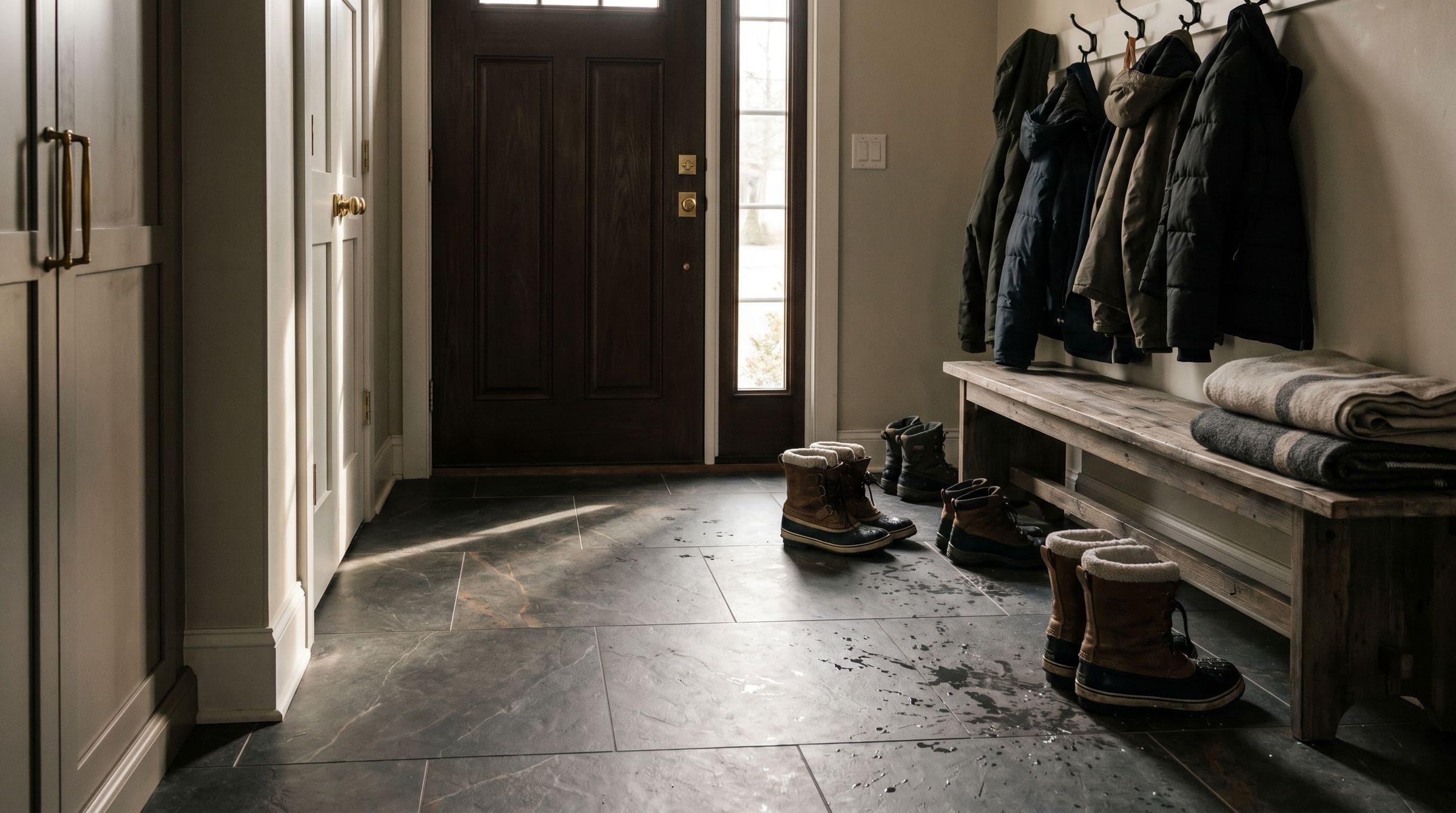
Your entryway takes more abuse than any other floor in your house. Salt, mud, wet boots, dropped groceries. Here's what tile holds up and what cracks, chips, or stains within a year.
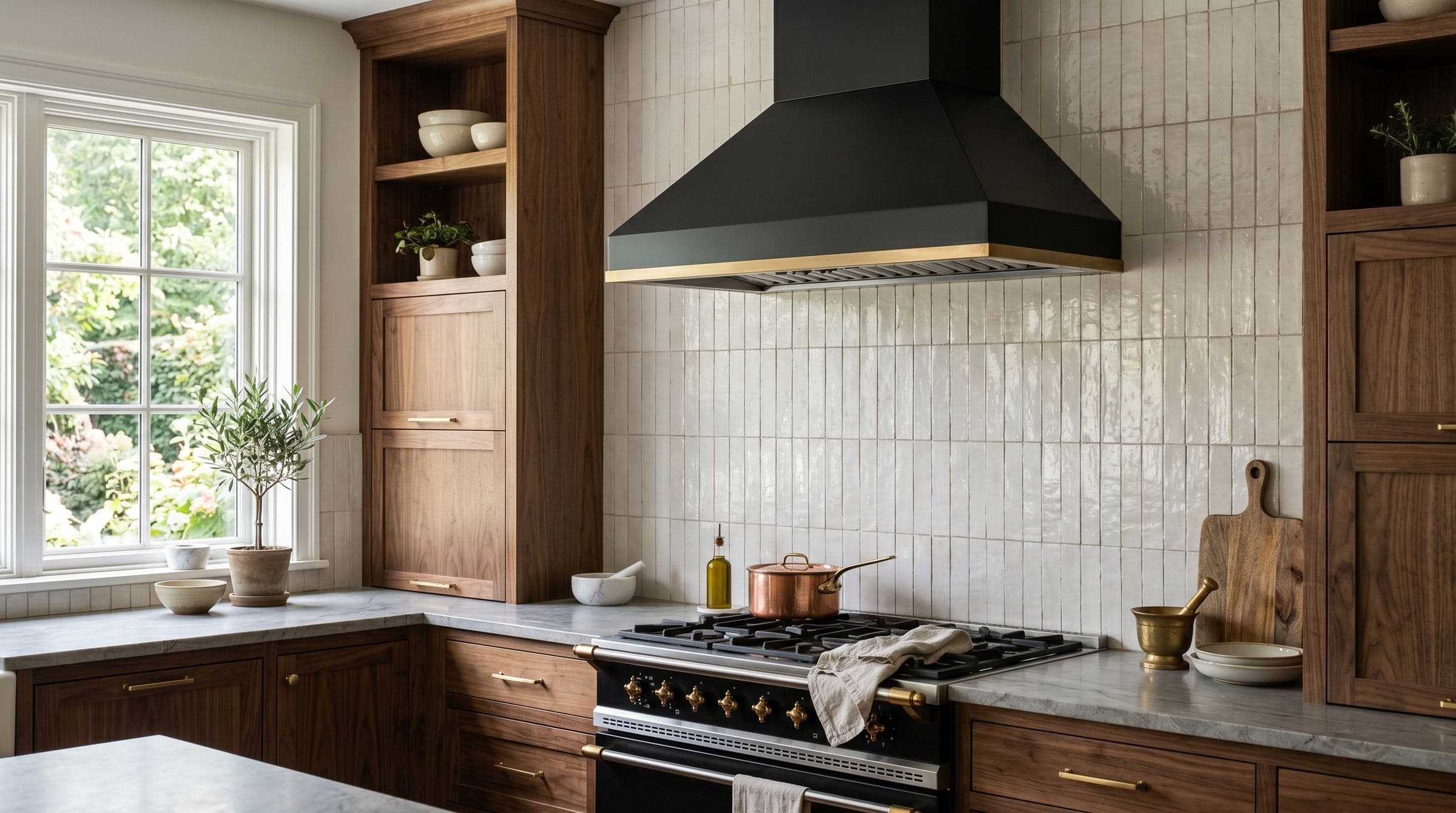
Subway tile is the safe pick. But safe doesn't mean it's the right pick for your kitchen. Here's how to choose a backsplash material and layout that actually fits your space, your budget, and your cooking habits.
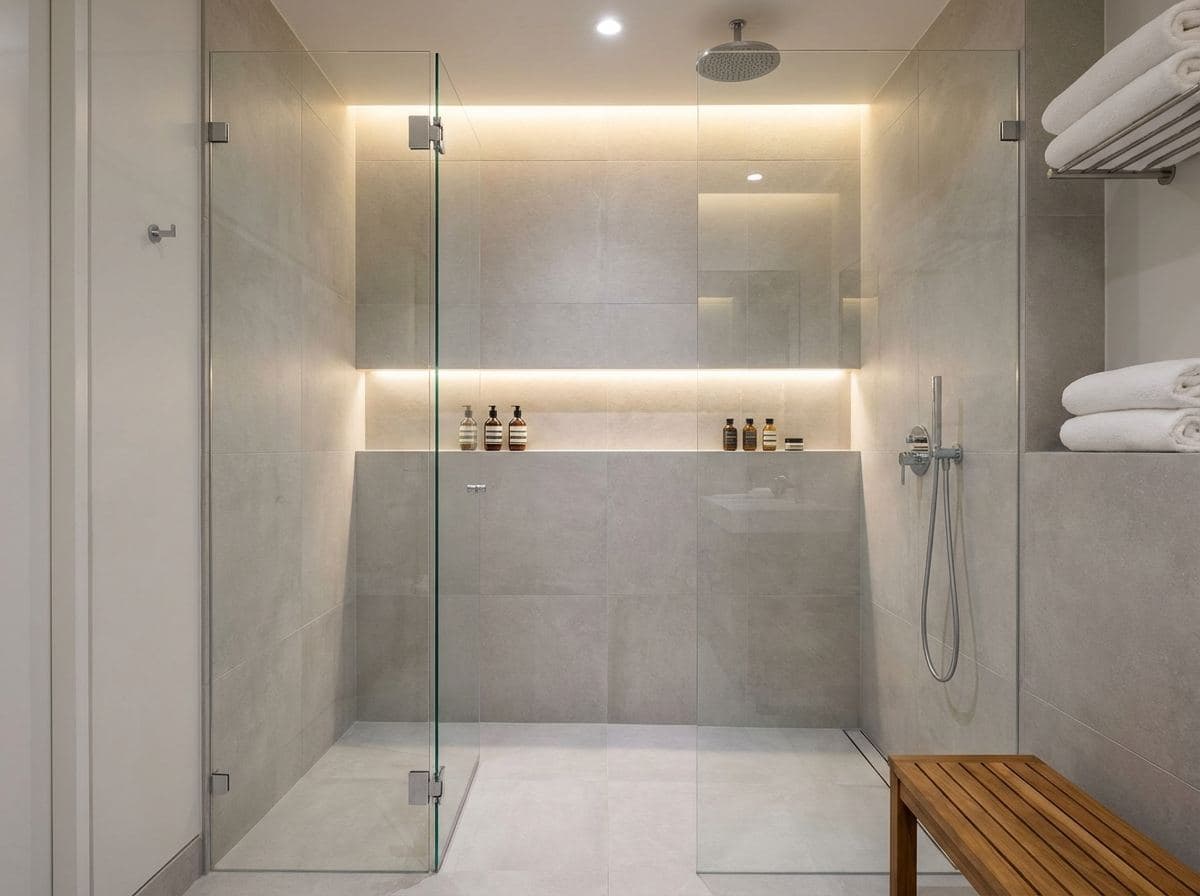
A properly built tile shower lasts 20-30 years. A poorly built one starts failing in 3-5. Here's what separates the two — and how to tell which one you're standing in.
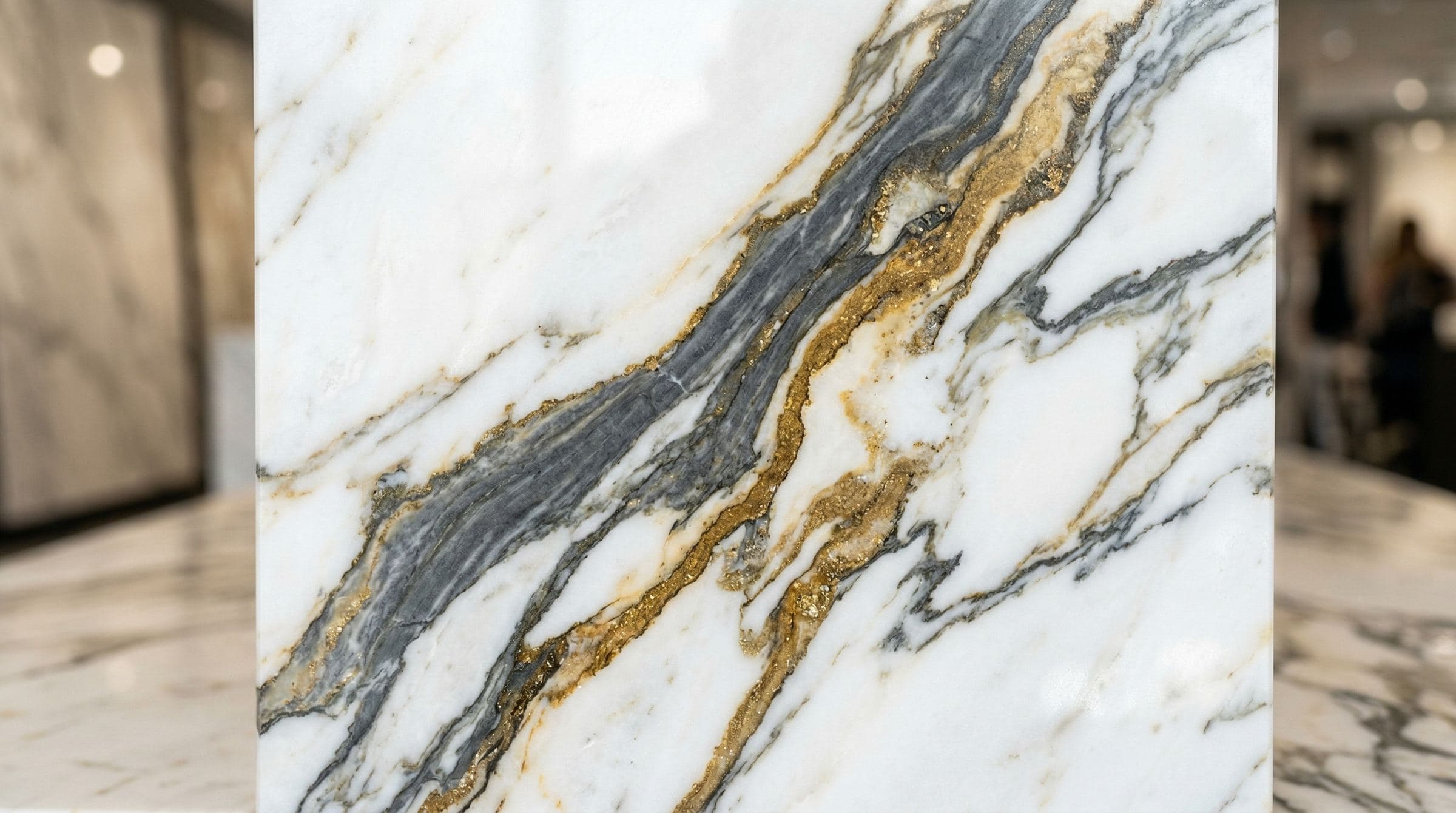
Both are Italian marbles with gray veining on white. But the similarities end there. Here's what you need to know before dropping thousands on the wrong stone.
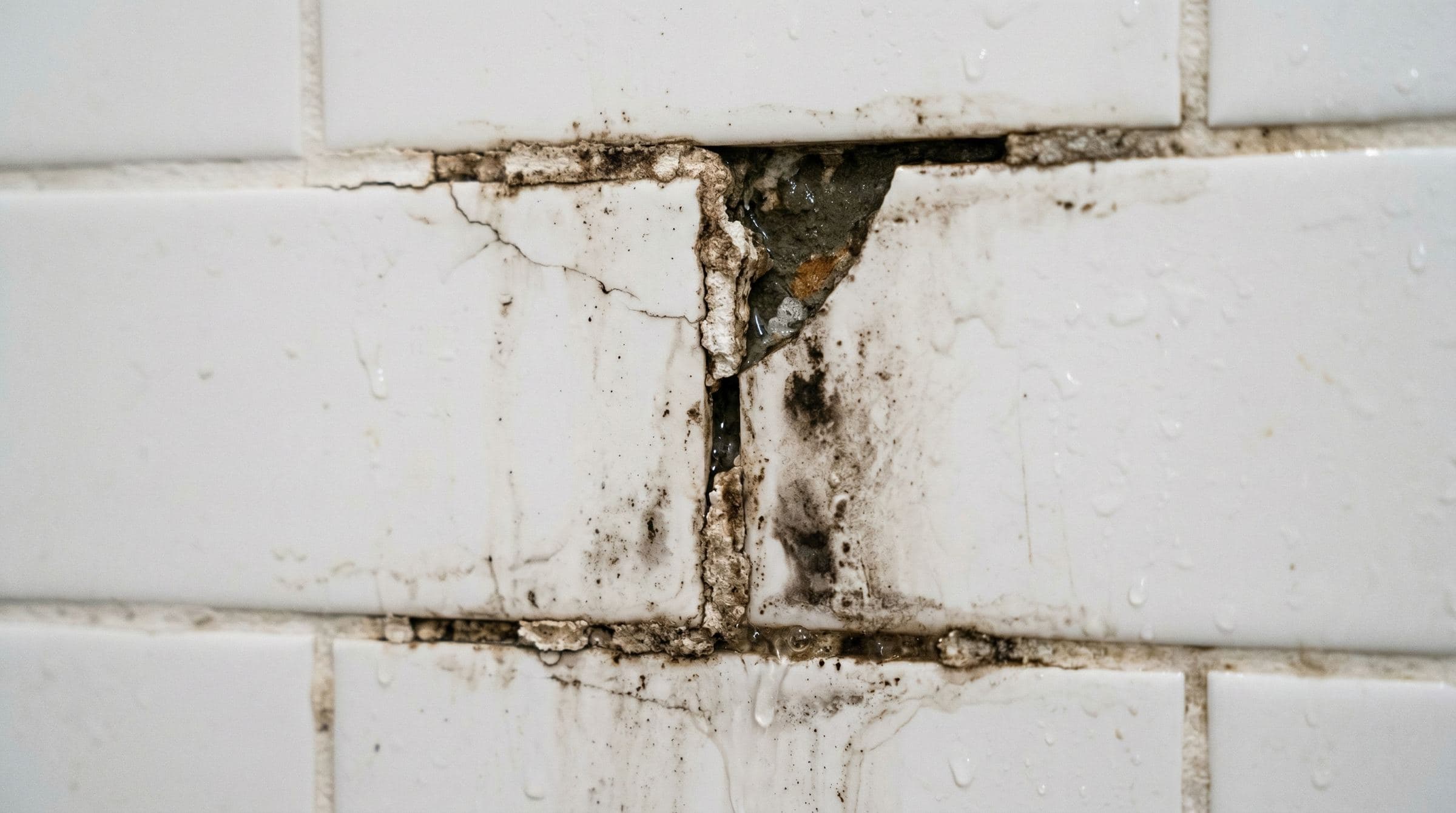
Cracked grout, loose tiles, water behind the wall — most shower failures trace back to one thing: bad waterproofing. Here's what went wrong and what to do about it.
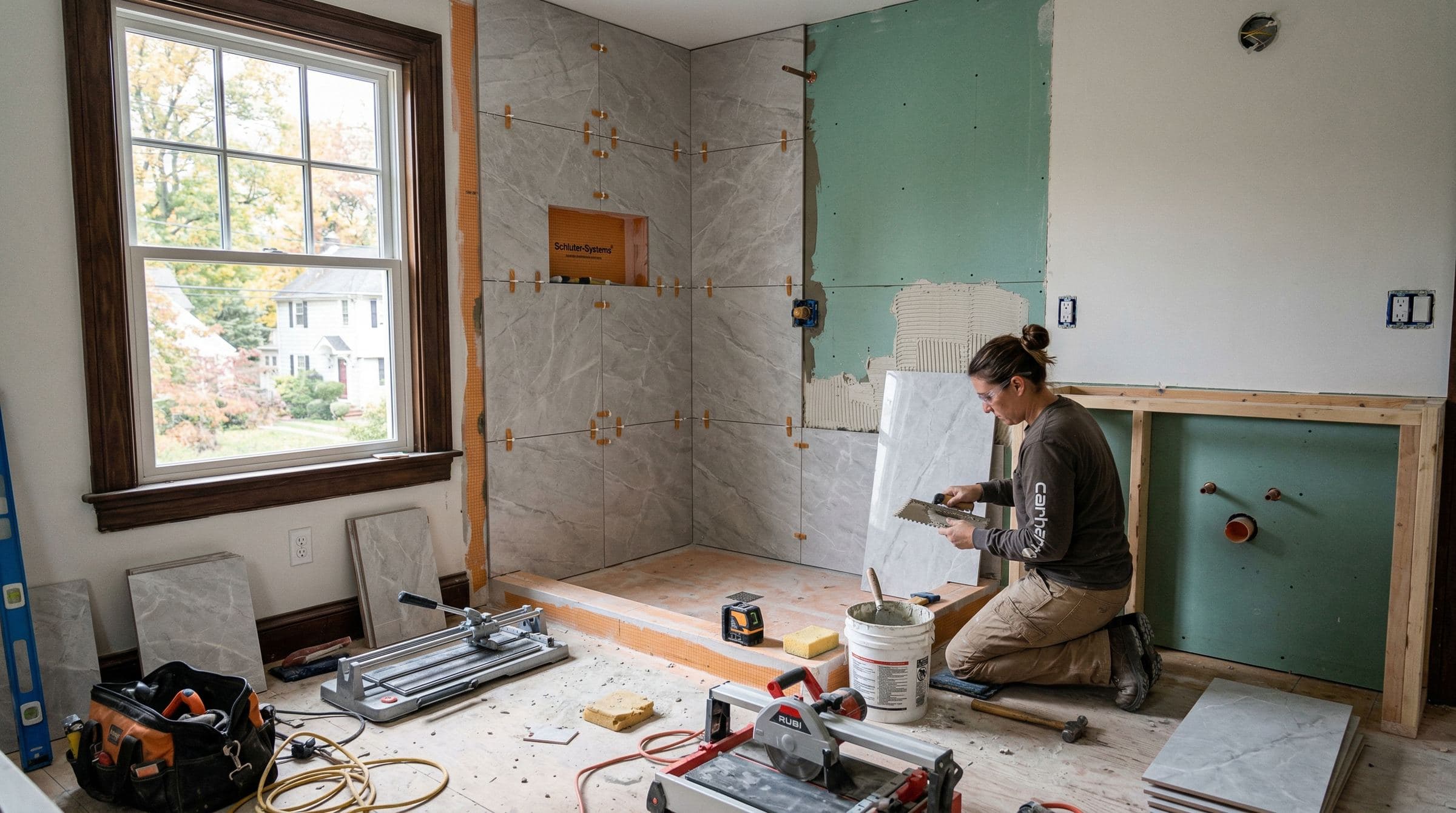
Materials, labor, permits, surprises — an honest breakdown of what a bathroom tile job actually costs in the NJ market. No bait-and-switch, no lowball estimates.
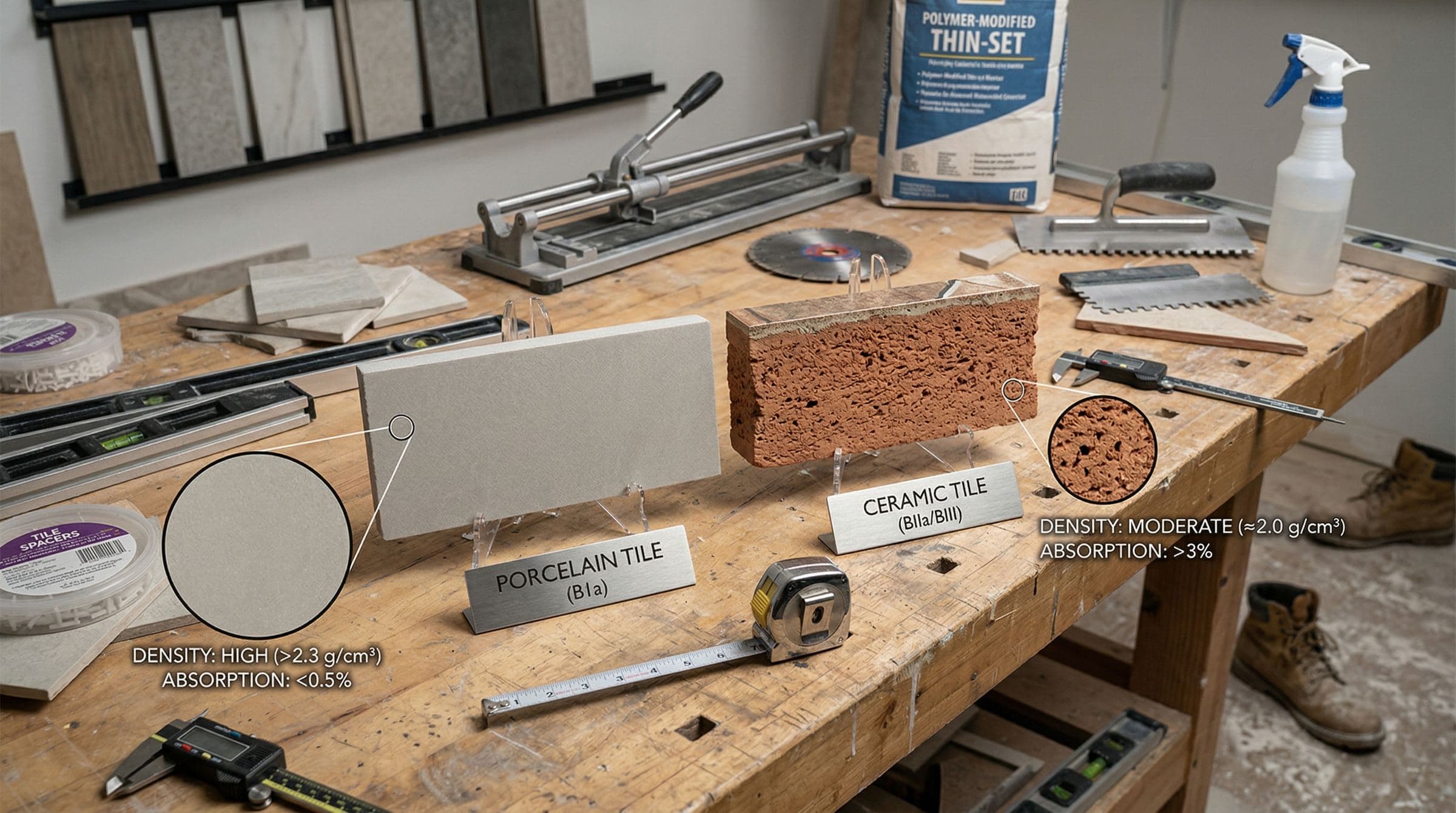
They look similar in the showroom, but porcelain and ceramic perform very differently in your bathroom. Here's how to pick the right one for your project.
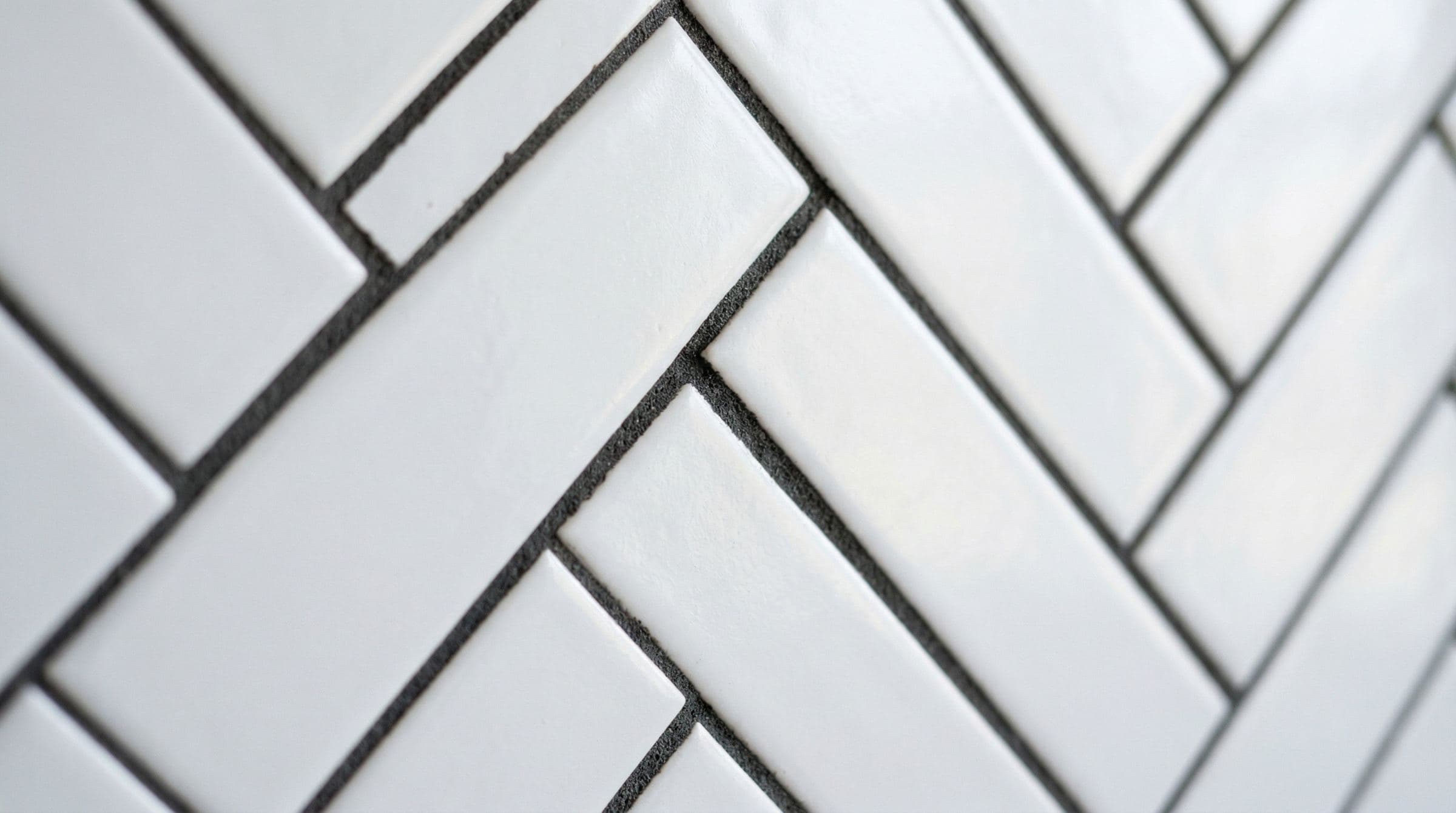
Grout color changes the entire look of your tile. Here's a straightforward guide to picking the right shade — and the one mistake that ruins everything.
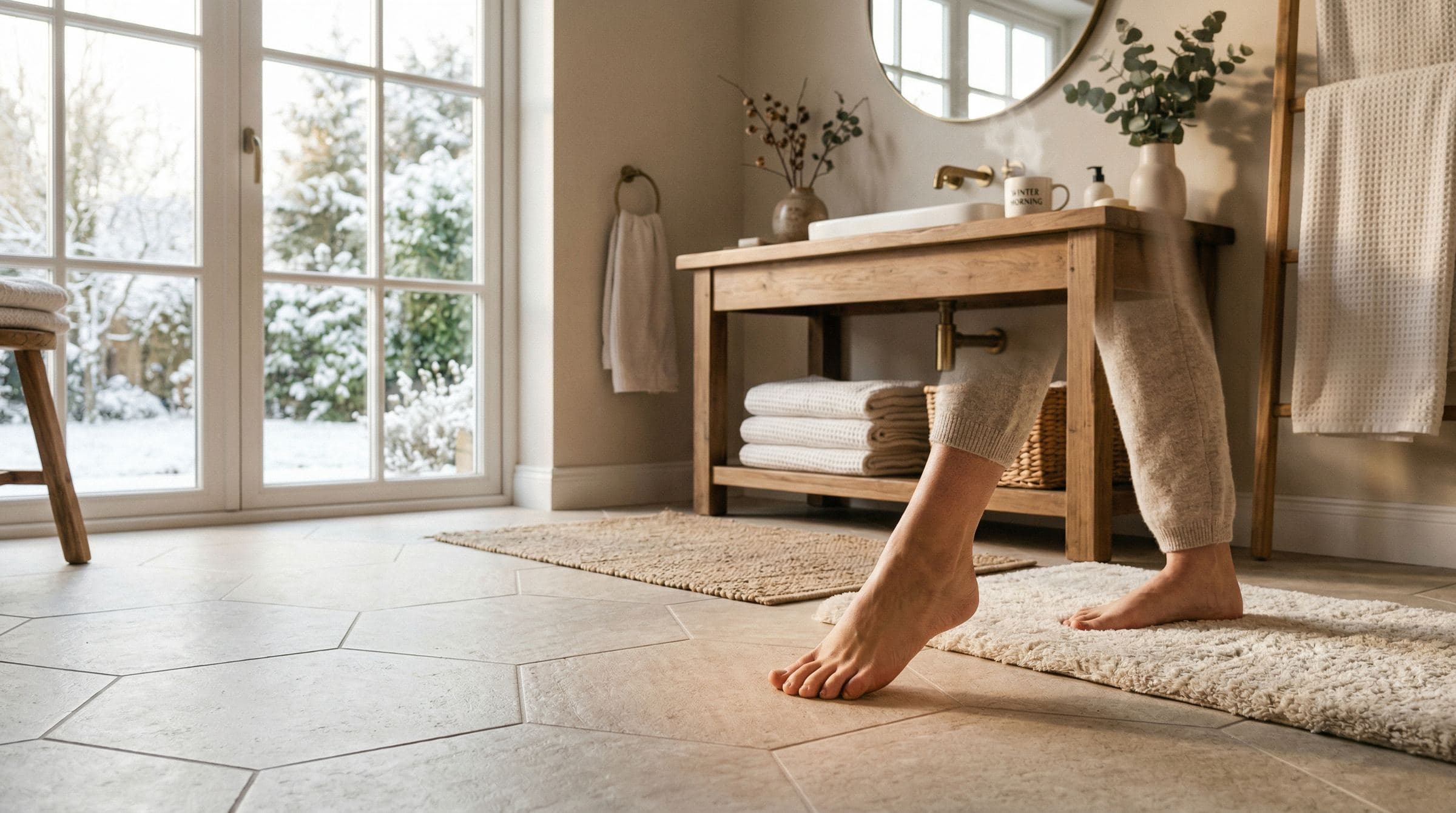
Radiant floor heating sounds like a luxury — and it is. But in a New Jersey bathroom, it might be more practical than you think. Here's the honest cost-benefit.